



Installing a swimming pool is an exciting investment, but safety should always come first. A properly designed pool fence installation helps protect children, pets, and visitors from accidental access to the pool while ensuring homeowners comply with local and state regulations. In South Florida, where pools are used year-round, safety barriers are not simply recommended—they are an essential part of responsible pool ownership.
Whether you are building a brand-new pool or upgrading an existing backyard, understanding the safety standards that govern pool fence installation can help you make informed decisions and avoid costly compliance issues.
Why Pool Fencing Is Essential
A swimming pool can provide years of enjoyment, but it also presents serious safety risks when left unprotected. A quality pool fence creates a physical barrier that reduces unauthorized access and significantly lowers the likelihood of accidental drownings.
Modern fencing solutions are designed to combine safety with style. Homeowners no longer have to choose between protecting their family and maintaining an attractive outdoor living space. Glass, aluminum, mesh, and decorative metal fencing can all provide excellent protection while complementing luxury pool designs.
Professional installers understand that every property has unique challenges, including landscaping, elevation changes, HOA requirements, and property boundaries.
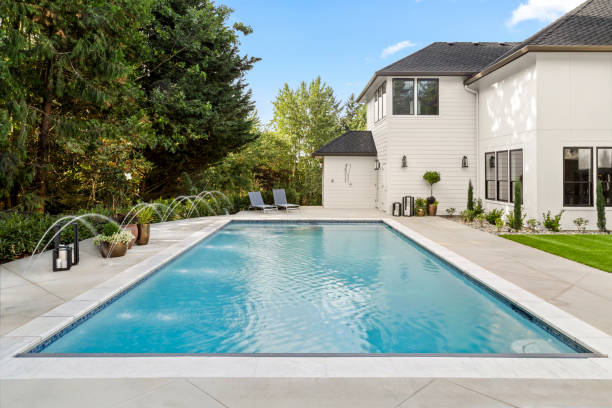
Florida Safety Requirements for Pool Fences
Florida has strict regulations regarding residential swimming pool barriers. These standards are intended to minimize the risk of unsupervised pool access, especially by young children.
Some of the common requirements that influence pool fence installation include:
- Minimum fence height requirements.
- Gates that swing outward away from the pool.
- Self-closing and self-latching gate mechanisms.
- Latches positioned high enough to remain out of children’s reach.
- Openings that prevent small children from squeezing through.
- Barriers designed to discourage climbing.
While local municipalities may have additional requirements, professional pool contractors ensure every installation satisfies applicable building codes before final approval.
Choosing the Right Fence Height
Fence height plays a significant role in pool safety. A fence that is too short can be easily climbed, while a properly sized barrier provides effective protection.
Many homeowners assume taller always means safer, but the correct height depends on applicable regulations and the overall design of the property. Experienced professionals evaluate the surrounding landscape, retaining walls, decorative features, and nearby structures that could make climbing easier.
The goal is creating a continuous protective barrier around the swimming area without compromising the beauty of the backyard.
Importance of Self-Closing Gates
Even the strongest fence can fail to protect a pool if someone forgets to close the gate.
For this reason, one of the most important safety standards in pool fence installation involves self-closing and self-latching gates. These mechanisms automatically return the gate to a closed position after someone enters or exits the pool area.
High-quality gate hardware should remain durable despite constant exposure to Florida’s humidity, rain, salt air, and intense sunshine.
Routine maintenance also helps ensure hinges and latches continue functioning properly throughout the year.
Preventing Climbing Hazards
Pool barriers should discourage climbing whenever possible.
Professional installers carefully inspect nearby landscaping, decorative rocks, outdoor furniture, air conditioning units, and retaining walls that may provide children with easy access over the fence.
In many cases, relocating climbable objects a short distance away from the barrier dramatically improves overall pool safety.
Fence designs with smooth vertical pickets and limited horizontal supports also reduce climbing opportunities.
Material Selection Matters
Different fencing materials provide different levels of durability, maintenance, and appearance.
Popular materials used in pool fence installation include:
Aluminum Fencing
Aluminum remains one of the most popular options because it resists rust, requires minimal maintenance, and complements both modern and traditional homes.
Frameless Glass
Glass fencing provides unobstructed pool views while maintaining safety. It creates an elegant appearance that works especially well for luxury backyards.
Mesh Safety Fencing
Removable mesh fencing offers flexibility for families with young children. It can often be removed when no longer needed while still providing dependable protection during early childhood years.
Vinyl Fencing
Vinyl fencing offers privacy and low maintenance while resisting moisture and UV damage.
Professional contractors help homeowners choose materials based on budget, aesthetics, maintenance preferences, and local code requirements.
Building Code Compliance
Obtaining permits is an important part of every pool fence installation project.
Municipal inspectors verify that fences, gates, hardware, and overall layouts satisfy current building codes before approving the completed installation.
Attempting to install fencing without proper permits may result in delays, additional expenses, or required modifications later.
Working with experienced contractors simplifies this process because they understand permitting procedures, inspection schedules, and documentation requirements.
HOA Considerations
Many South Florida communities have homeowner associations that regulate fence styles, colors, heights, and approved materials.
Before installation begins, homeowners should confirm HOA guidelines alongside local building codes.
Professional pool builders frequently assist with HOA approvals by providing design drawings, material specifications, and supporting documentation required for community review.
This proactive approach helps prevent project delays and ensures compliance with neighborhood standards.
Long-Term Fence Maintenance
Maintaining your fence is just as important as installing it correctly.
Regular inspections help identify loose hardware, damaged panels, worn hinges, or gates that no longer self-close properly.
Homeowners should also keep vegetation trimmed away from fencing to preserve visibility and eliminate climbing opportunities.
Cleaning glass panels, inspecting aluminum finishes, and lubricating moving hardware can significantly extend the life of the fence while maintaining its appearance.
Routine maintenance helps ensure your safety barrier continues protecting your family year after year.
Professional Installation Makes a Difference
Although some fencing products appear simple to install, achieving full code compliance requires expertise.
Professional installers carefully measure property lines, account for elevation changes, position gates correctly, and ensure every component functions as intended.
Proper installation also improves the fence’s durability, structural integrity, and long-term performance under South Florida’s demanding weather conditions.
Working with experienced professionals reduces the likelihood of inspection failures while delivering a finished product that enhances both safety and curb appeal.
Conclusion
A professionally completed pool fence installation is one of the most important investments a homeowner can make for pool safety. By following Florida safety standards, selecting durable materials, installing self-closing gates, meeting local building codes, and maintaining the barrier over time, homeowners create a safer environment for family and guests. Epic Watershapes proudly serves Boca Raton and Palm Beach County with expert pool construction, remodeling, and outdoor living solutions. From luxury pool design to code-compliant fencing, permit assistance, and HOA coordination, their experienced team delivers beautiful, durable results tailored to South Florida’s unique coastal environment while providing exceptional craftsmanship and peace of mind.

